Key planning information for glaucoma surgery abroad.
$550 fromLowest listed price (Singapore)
10–15 minsProcedure time
31 hospitalsList glaucoma surgery
8Countries with hospitals listed
Glaucoma Surgery in Asia is listed from US$550 to US$1,600 at 31 hospitals in Singapore and Thailand, with 8 countries listed in total. The operation takes 10 to 15 minutes. Each hospital quotes its own price for your case.
Prices last updated Nov 2026
Description of Glaucoma Surgery:
What are the types of Glaucoma Surgery?
The most common Glaucoma Surgery procedures are:
Filtration surgery (Trabeculectomy): A “trapdoor” in the eye is cut to drain fluid into a reservoir and then into the blood vessels surrounding the eye.
Laser trabeculoplasty: This glaucoma surgery helps drain fluid from the eye by using a laser to make tiny holes in the drainage system. Types of laser trabeculoplasty include argon laser trabeculoplasty and selective laser trabeculoplasty for the treatment of primary open-angle glaucoma.
Tube-shunt surgery (Seton glaucoma surgery): This procedure uses a silicon tube inside the eye to drain fluid. Tube shunts are used if the glaucoma is not responding to standard procedures.
Laser cyclophotocoagulation (Cycloablation): This procedure is used for end-stage glaucoma because there is a chance of losing vision. Laser cyclophotocoagulation destroys the muscles controlling near and far vision.
Iridotomy or Iridectomy: Laser or conventional surgery is used on an emergency basis for acute closed-angle glaucoma. The surgeon cuts into the iris to make a tiny opening that allows fluid to flow out freely.
What are the chances of success with Glaucoma Surgery?
Glaucoma surgery helps lower the intraocular pressure in the eye but the length of time for which pressure remains low depends on many factors – the surgical technique, the age of the patient, the race of the patient etc. Repeat surgery may be necessary to continue to control the pressure in the eye, or the continued use of medications.
In almost half of people who had a laser trabeculoplasty, eye pressure increases again after five years.
Around half of people who have trabeculectomy filtration surgery still need medication to control glaucoma.
Trabeculectomy filtration surgery is successful in about 70 to 90 percent of cases for at least one year.
About Glaucoma Surgery
Key facts to plan your treatment: how long it takes, your hospital stay, anaesthesia, risks and recovery.
Duration of surgery/treatment
- Trabeculectomy filtration surgery takes about an hour to perform.
- Laser trabeculoplasty takes around 10 to 15 minutes.
Days admitted
None. Glaucoma surgery is an outpatient procedure with no overnight stay.
Patients commonly need to remain in the doctor’s office for eye pressure monitoring, for up to three hours after surgery.
Anesthesia
Glaucoma surgery is carried out with a local eye drop anesthesia.
Recovery
Usually patients can go back to normal activities and work the day after glaucoma surgery.
Risks
- Scarring and re-closure of the drainage channels in the eye.
- Infection and leakage from the blister-like bumps created on the eye.
- Risk of developing cataracts.
- Loss of vision.
- Some people experience increased eye pressure for a short period following laser glaucoma surgery, or reduced eye pressure.
After care
- Take non-aspirin pain relievers to treat any pain or discomfort.
- Keep water out of the treated eye for around a week following glaucoma surgery
- Avoid heavy lifting, bending or straining after glaucoma surgery until the eye pressure stabilizes.
- Take care with contact lenses so as to avoid infection of the eye.
Cost of Glaucoma Surgery by country
Price ranges in US$ for each country with a published range. Each hospital quotes its own price for your case.
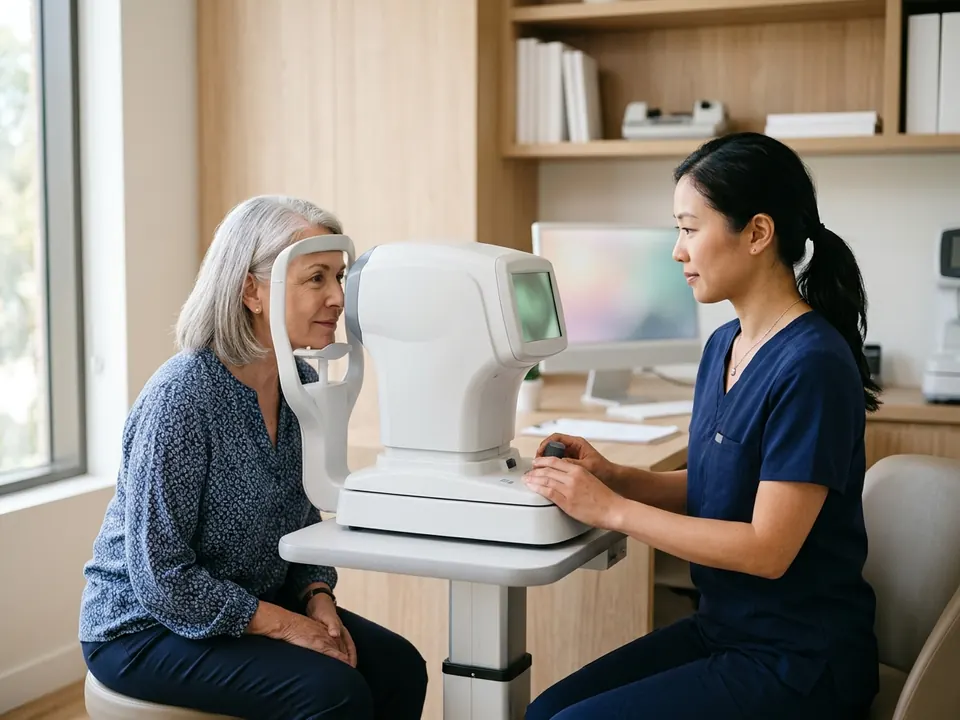
Eye Studio offers customisation, innovative products and comprehensive eye care services all in one centre to fulfil your lifestyle needs. With the presence of experienced Optometrists and the latest state-of-the-art vision testing equipment, Eye Studio assures you the best care for your eyes.
The Department of Ophthalmology utilizes advanced and sophisticated technologies in its field, which enable performing the most accurate and gentle surgical procedures and laser treatments, diagnosis of complex and obscure conditions, and provision of novel and modern therapeutic modalities.
A tertiary care hospital servicing local and international patients with modern facilities and over 110 consultants that cover a wide array of specialties.
The SunMed Eye Centre offers patients a wide range of eye care services for the screening, diagnosis and treatment of various eye conditions. Our consultant ophthalmologists (eye specialists) are supported by a team of trained eye care personnel, including an optometrist, an orthoptist and an ocular
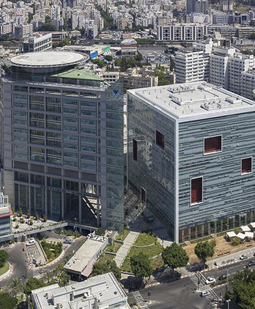
The Division of Ophthalmology at the Tel Aviv Sourasky Medical Center diagnoses and treats the complete spectrum of ophthalmological care, eye disease, and trauma. Quality eye care is offered by accomplished clinicians through outpatient clinics, inpatient hospitalization services.
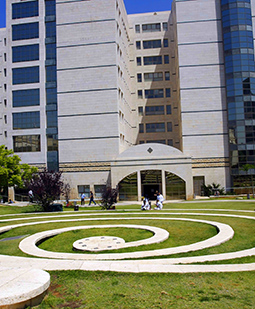
The second largest hospital in Israel, Rabin Medical Center is a tertiary care hospital that can handle the most complicated cases in all medical fields.
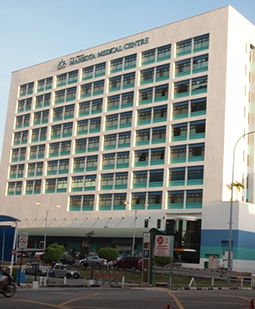 Private Hospital

 JCI
 Thai HA
 ISO