Key planning information for phacoemulsification surgery in Spain.
$2,400 fromLowest listed price
20 minsProcedure time
5 hospitalsList phacoemulsification surgery
Phacoemulsification Surgery in Madrid is listed from US$2,400 to US$5,300 at 5 hospitals. The operation takes 20 minutes. Each hospital quotes its own price for your case.
Prices last updated Nov 2026
Cost of Phacoemulsification Surgery in Spain
Table of prices by type of procedure, in US$. Each hospital quotes its own price for your case.
Procedure
Minimum price
Maximum price
Phacoemulsification Surgery
$2,400
$5,300
Price starting from $2,400 up to $5,300 · last updated Nov 2026.Final prices are quoted by each hospital
Hospitals and clinics offering Phacoemulsification Surgery in Madrid
Phacoemulsification Surgery is listed by 5 hospitals in Madrid. The order reshuffles every hour so each gets equal exposure.
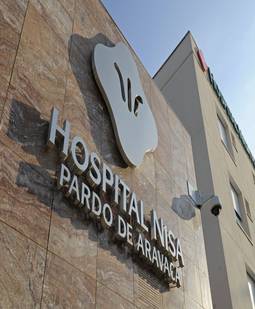
A modern (opened in 2007), general, private hospital located in Madrid, part of the NISA group of hospitals. The international patients department can assist patients with accomodation and trasportation, and can communicate in English as well as in Spanish.
The ophthalmology department specializes particularly in retinal and vitreous disease and actively performs advanced, high-quality treatment for diseases such as age- related macular degeneration, diabetic retinopathy, and retinal detachment.
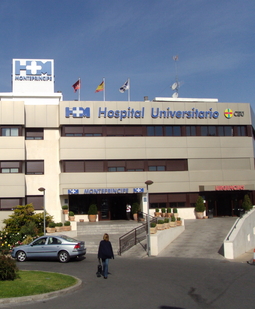
An ISO certified modern private hospital, which was opened in 2006, and is part of the Quironsalud Hospital Group. This tertiary care hospital has certified medical specialties capable of treating the most complicated medical cases.
HM Hospitales is a hospital group with six private hospitals in Madrid: three general hospitals, a cardiovascular hospital, an oncological center and a women's health hospital.
What is Phacoemulsification Surgery?
Phacoemulsification surgery is a procedure to remove a cataract from the lens in the eye. Cataracts are cloudy parts in the eye’s lens and phacoemulsification uses ultrasound to remove them, as well as to remove the front part of the lens capsule. Often an intraocular lens will be implanted in order to compensate for the removal of the natural lens.
How is Phacoemulsification Surgery carried out?
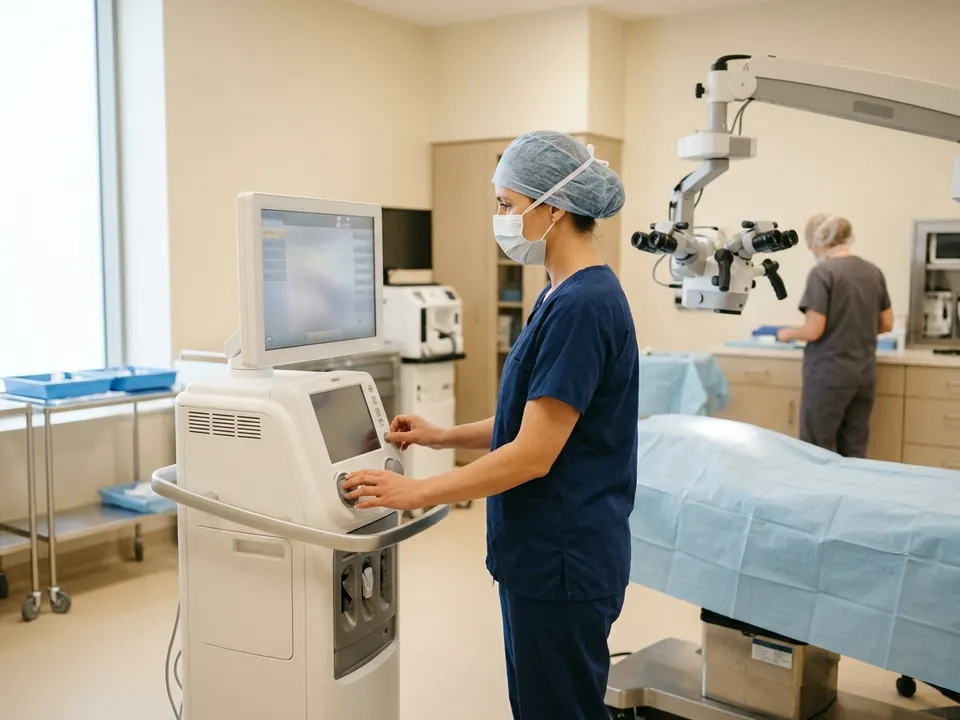
The surgeon makes two small cuts in the eye and creates a circular opening on the surface. Sound waves (ultrasound) through a special instrument destroy the cataract. The cataract and lens particles are removed using suction. The surgeon will then normally place an intraocular lens implant into the lens capsule.
What are the chances of success with Phacoemulsification Surgery?
According to the BMJ, phacoemulsification surgery works better than extracapsular cataract extraction (ECCE) to improve sight.
According to the American Academy of Ophthalmology (2006), 95 percent of adults were satisfied with the results of the surgery.
How popular is this type of surgery?
Phacoemulsification surgery is the most popular type of cataract surgery, according to WebMD.
Phacoemulsification surgery is preferred over extracapsular surgery because it can be completed more quickly, recovery of sight after the surgery is quicker, the healing process is quicker and there is a lower risk of complications.
About Phacoemulsification Surgery
Key facts to plan your treatment: how long it takes, your hospital stay, anaesthesia, risks and recovery.
Duration of surgery/treatment
The procedure takes around 20 minutes.
Number of sessions required
Usually only one eye at a time is worked on with Phacoemulsification, so if you need both eyes operated, it will usually require 2 sessions.
Days admitted
None. Phaco surgery takes place on an outpatient basis.
Anesthesia
Local anesthesia with a sedative if needed.
Recovery
Patients should rest for 24 hours following phaco surgery but can return to work the next day.
Risks
According to the American Academy of Ophthalmology (2006), less than 5 percent of people suffer serious complications following phacoemulsification surgery.
Risks include:
- Eye infection.
- Swelling or fluid in the eye.
- Bleeding in the eye.
- Retinal detachment.
- Glaucoma.
- Astigmatism.
- Secondary cataract.
After care
- You may wear a bandage for one night following phaco surgery.
- At night, wear a protective shield over the eye for a week after the procedure.
- You may experience some vision changes for a short time after the procedure.
- Use prescribed eye drops for a month following phacoemulsification surgery.
Ready to compare phacoemulsification surgery hospitals in Madrid?
Choose a hospital and send your enquiry to its international patient team. Each replies with its own price and plan.
 Private Hospital
 ISOPrice on request