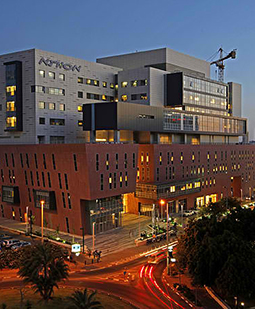
 Private Hospital
Tel Aviv, Israel
Price on request
The new Assuta Hospital was opened in 2009, and claims to be the most modern hospital in the middle east.
Price
Contact for quote
Ophthalmology care in Israel
Hospitals, clinics and medical centers in Israel performing Ptosis Surgery.
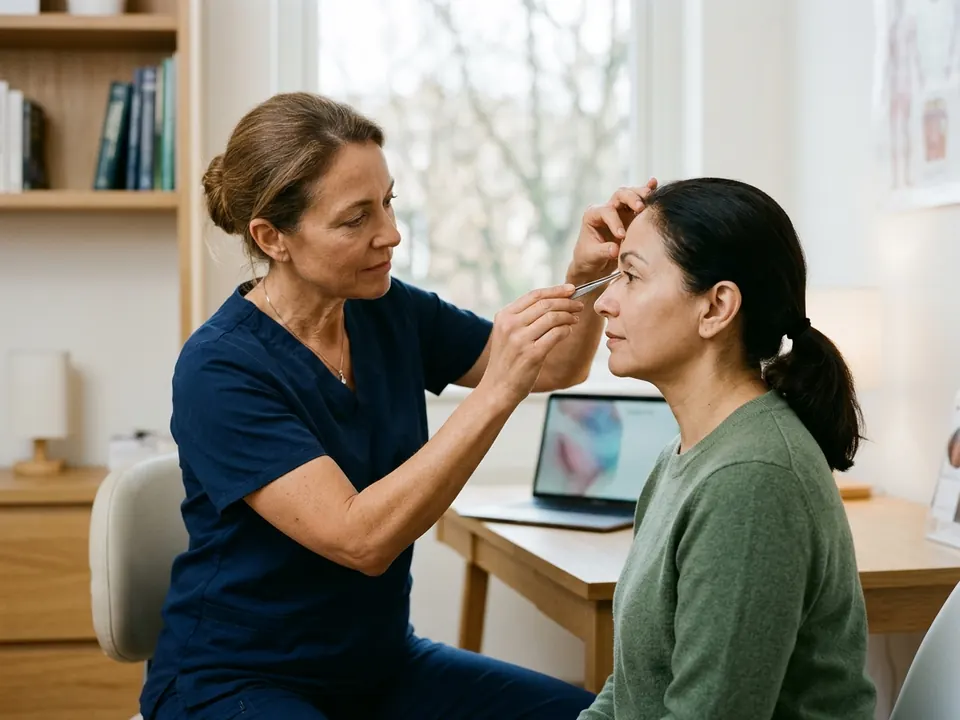
Key planning information for ptosis surgery in Israel.
Ptosis Surgery in Israel is priced per case at 6 hospitals. The operation takes 1 to 3 hours. Each hospital quotes its own price for your case.
Ptosis Surgery is listed by 6 hospitals in Israel. The order reshuffles every hour so each gets equal exposure.
Private HospitalThe new Assuta Hospital was opened in 2009, and claims to be the most modern hospital in the middle east.
 Public University Hospital
 JCIPrice on request
The Department of Ophthalmology utilizes advanced and sophisticated technologies in its field, which enable performing the most accurate and gentle surgical procedures and laser treatments, diagnosis of complex and obscure conditions, and provision of novel and modern therapeutic modalities.
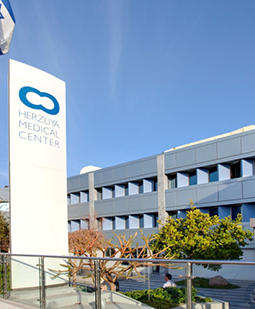 Private Hospital
A private hospital located on the shorelines of Herzliya, just off Tel Aviv, offering healthcare services to both local and foreign patients. The hospital is affiliated with over 500 Israeli physicians, many of whom hold high level positions at public hospitals.
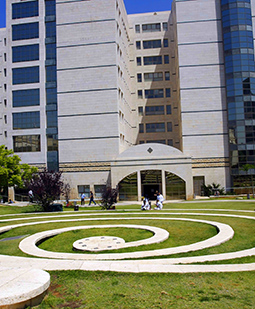 Public Hospital
The second largest hospital in Israel, Rabin Medical Center is a tertiary care hospital that can handle the most complicated cases in all medical fields.
 Public Hospital
 ISOPrice on request
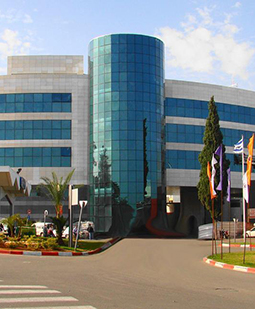
One of the largest hospitals in Israel with 900 beds and 700 physicians. The hospital serves 1000 medical tourists annually, providing advanced medical care at the highest western standards.
Ptosis is treated at
 University Hospital
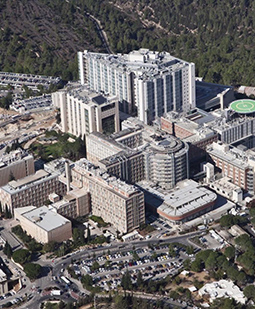
Hadassah medical institution includes two university hospitals in Jerusalem – on Mt. Scopus and in Ein Kerem. Both provide advanced tetriary healthcare services in all medical specialties.
Key facts to plan your treatment: how long it takes, your hospital stay, anaesthesia, risks and recovery.
Choose a hospital and send your enquiry to its international patient team. Each replies with its own price and plan.
Free consultation • No obligation